You have actually most likely walked past countless historic buildings that feel iced up in time, their potential secured behind out-of-date facades and ineffective designs. Henson Architecture takes a different technique-- they see these structures as living organisms with untapped possibilities. Their approach isn't about selecting between preservation and progress; it has to do with locating that exact balance where century-old workmanship meets innovative functionality. But attaining this harmony needs greater than simply great ll 97 compliance solutions intentions and architectural ability.
Henson Architecture's Ideology: Respecting Architectural DNA While Welcoming Technology
When Henson Architecture comes close to a task, they do not see existing frameworks as challenges to overcome-- they see them as tales waiting to be recognized and evolved.You'll uncover their viewpoint fixate appreciating what they call" architectural DNA "-- the fundamental personality that makes each historic building restoration one-of-a-kind. They're dedicated to preserving original craftsmanship while incorporating ingenious services that extend architectural life.Their strategy to rehabilitation equilibriums authentic materials with sustainable technologies. restoration architect hensonarchitect.com You will not locate cookie-cutter renovation approaches here.Instead, they evaluate each structure's integrity, comprehending exactly how original designers planned rooms to function. This architectural investigator job notifies every restoration decision, ensuring modern renovations improve as opposed to compromise historical authenticity.Their ingenious techniques verify that preserving the past and embracing the future aren't mutually unique-- they're complementary forces in thoughtful
layout. Product Combination Strategies: Linking Historical Components With Contemporary Design This philosophical structure becomes substantial through Henson Architecture's innovative material integration methods, where century-old brick fulfills modern-day steel with deliberate harmony.You'll witness their proficiency in historic building restoration projects where they've perfectly woven contemporary style aspects right into existing frameworks without jeopardizing preservation integrity.Their technique to adaptive reuse shows exactly how modern-day advancement can improve instead of outweigh historical elements.You'll see original masonry carefully brought back together with streamlined glass installations, developing discussion between ages. These product integration techniques aren't simply visual selections-- they're architectural remedies that expand structure lifespans while honoring architectural heritage.Through selective intervention and thoughtful product option, Henson Architecture confirms that restoration and contemporary style can exist together, creating rooms that celebrate both past workmanship and future possibilities in architecture.
Spatial Planning Techniques: Optimizing Performance Without Jeopardizing Heritage Includes Past product consistency lies the detailed difficulty of reimagining interior spaces where every square foot need to serve contemporary demands while respecting original architectural intent.You'll
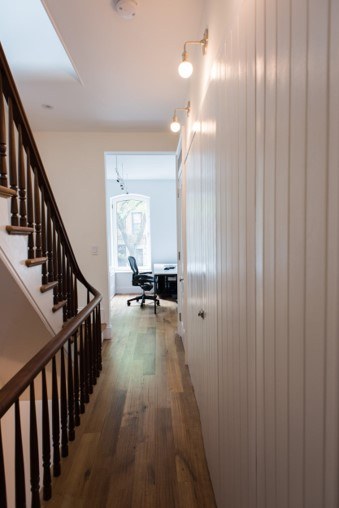
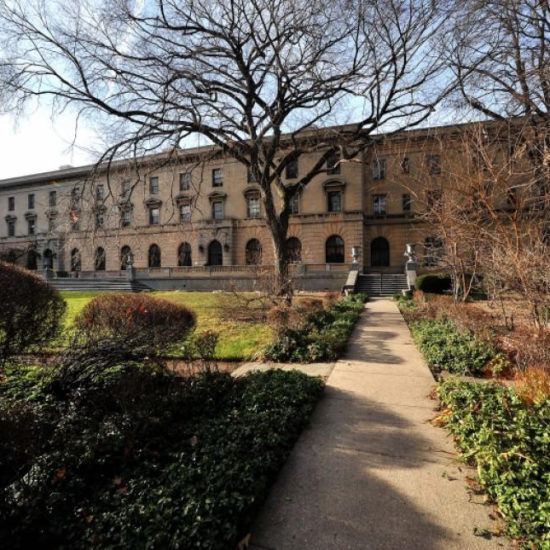
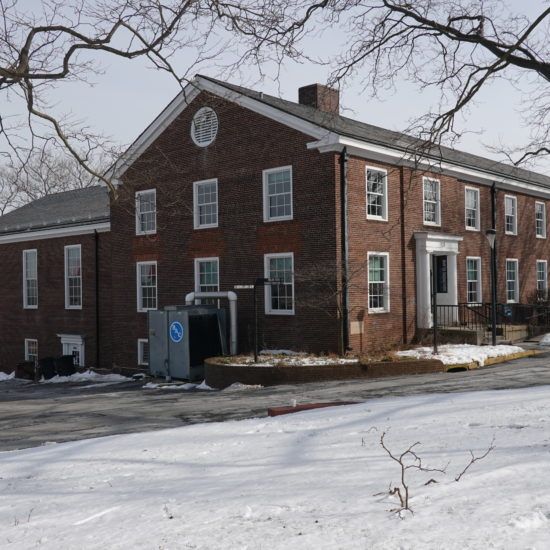
uncover that effective historic building restoration needs calculated spatial planning techniques that transform outdated layouts right into functional environments.When restoring a historic building, you're implementing best practices for executing renovation projects that protect heritage features while presenting modern innovation.You'll very carefully analyze existing area configurations, identifying possibilities to enhance capability without endangering historical integrity. This involves creating adaptable areas that fit contemporary process while preserving original percentages and architectural elements.Your conservation strategy focuses on adaptive remedies-- mounting modern systems within existing structures, maximizing vertical space application, and making multi-purpose areas that recognize the structure's historical importance while meeting today's functional needs. Notable Job Analysis: Effective Improvements of Historical Buildings Although academic concepts offer the foundation for historic restoration, checking out real-world improvements discloses just how successful firms navigate the complex balance between preservation and modernization.You'll discover that reliable historic building restoration calls for precise project evaluation of each structure's special obstacles. When you're renovating and restoring a site, authentic building materials become your essential guide for keeping historical honesty while making it possible for smart growth.Consider exactly how Henson Architecture approached the Victorian-era court house renovation.You'll see they protected original masonry while integrating contemporary cooling and heating systems within existing walls. Their historic preservation technique demonstrates that reconstruction of old buildings does not suggest compromising modern functionality.Through careful modernization methods, they've confirmed that effective makeovers recognize architectural heritage while meeting today's efficiency criteria, producing spaces that serve both historical relevance and contemporary needs. Long-term Effect: Preserving Architectural Heritage for Future Generations Henson Architecture's courthouse transformation exemplifies how thoughtful restoration produces lasting worth that extends far beyond the prompt project completion.You'll discover that their approach to historic building restoration develops a preservation design that other firms progressively take on. This architectural heritage demonstrates how historical restoration can incorporate lasting practices with modern technology while maintaining architectural integrity.When you're renovating historic buildings, the benefits prolong throughoutgenerations. The courthouse now acts as a living example of successful reconstruction that honors the past while meeting modern needs.You can see just how their technique protects social heritage via adaptive reuse, making certain these architectural prizes remain practical area properties. This long-term vision transforms restoration from straightforward upkeep right into purposeful preservation that enhances areas and secures irreplaceable historical resources.Conclusion You have actually seen exactly how Henson Architecture's thoughtful technique changes historic buildings into lively, functional areas without sacrificing their soul. By appreciating architectural DNA while embracing technology, you're witnessing a preservation model that does not just save buildings-- it revitalizes entire neighborhoods. When you pick adaptive reuse over demolition, you're buying sustainable practices that recognize the past while offering future generations. This isn't just architecture; it's social stewardship in action.