You've probably strolled past many old buildings destined for demolition without realizing they're ecological goldmines. Every architecture firm near me single time you see a damaging ball swing, you're seeing the destruction of decades' well worth of ingrained carbon and power that can not be recuperated. Here's what most people don't recognize: the choice in between taking apart and restoring isn't practically aesthetics or nostalgia-- it is among the most impactful environment choices we make in our cities.The Carbon Impact of Demolition vs. Restoration When you destroy a structure, you're not just taking apart wall surfaces-- you're releasing decades of symbolized carbon kept in concrete, steel, and various other materials back into the atmosphere.Historic structure restoration provides a substantially different environmental effect. While costs considerations restoring historic buildings might appear difficult initially, you'll find that restoring a historic building typically creates 50-75%fewer carbon exhausts than new construction.Sustainable restoration leverages existing architectural frameworks, eliminating the requirement for energy-intensive product production.Through preservation and adaptive reuse, you're optimizing the
life-span of symbolized power already invested in original materials. This method sustains smart growth principles by revitalizing existing metropolitan framework rather than expanding right into primitive areas.You'll discover that sustainable restoration transforms historic structures into modern-day, efficient spaces while significantly reducing construction waste and environmental deterioration. Personified Power: Unlocking the Environmental Worth Already Constructed In Since every brick, light beam, and foundation stone stands for years of gathered ecological financial investment, historical buildings consist of enormous reserves of personified power that demolition simply wastes.When you choose historic building restoration over demolition, you're unlocking years of production,
transport, and construction power currently bought traditional structure materials.Historic preservation means you're taking full advantage of sustainability by reusing existing architectural components as opposed to beginning with scratch.Restoring original materials like strong wood beam of lights, stone structures, and handcrafted masonry protects the environmental value that's already constructed in.Through thoughtful renovation and conservation practices, you can preserve a structure's historical
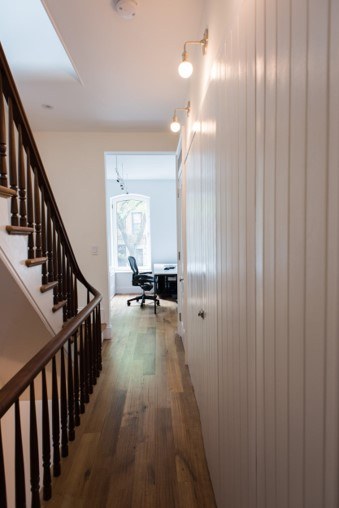
character while significantly decreasing the ecological effect contrasted to new construction.This approach changes preservation into an effective sustainability technique that honors both environmental obligation and architectural heritage.Waste Reduction Via Adaptive Reuse and Material Recover Instead of sending out numerous tons of building and construction debris to land fills, adaptive reuse transforms existing buildings right into brand-new functions while salvaging important materials that would otherwise become waste.You'll discover that historic building restoration and rehabilitation programs divert massive quantities of materials from disposal websites. When you select restoration over demolition, you're applying effective waste decrease approaches that benefit both your project and the environment.Material salvage procedures recuperate original architectural components like wood floorings, brick, rock, and classic fixtures that ca
n't be replicated today.These environment-friendly restoration practices preserve irreplaceable workmanship while lowering demand for new resources. Via mindful rehabilitation, you'll discover that buildings contain treasure troves of reusable materials.Smart preservation approaches maximize these possibilities, turning prospective waste right into useful assets for your project.Preserving Natural Resources by Expanding Building Lifespans By restoring existing buildings as opposed to creating brand-new ones, you're significantly reducing the usage of virgin materials like timber, steel, concrete,
and stone.Historic structure restoration exhibits this lasting approach by preserving frameworks that would or else demand full reconstruction using freshly removed sources.
When you choose renovation over demolition, you're making an eco-friendly choice that safeguards woodlands, quarries, and mining sites from additional exploitation.Extending structure lifespans via careful restoration indicates you're making the most of the worth of materials already purchased building years or centuries ago.This preservation method decreases the environmental effect associated with making brand-new building components. Each recovered framework represents hundreds of extra pounds of natural deposits conserved from extraction, handling, and transport
-- making restoration an effective device for environmental conservation. Economic and Ecological Benefits of Sustainable Renovation Practices While restoration projects need first financial investment, they continually deliver superior returns contrasted to demolition and brand-new building and construction. Historic building restoration creates substantial economic benefits through task production, raised residential property ll 97 compliance solutions worths, and reduced product costs.You'll find that lasting renovation practices get rid of pricey demolition expenditures while recycling existing materials and architecture. When restoring a historic building, you're preserving heritage while sustaining smart growth and preservation campaigns that strengthen communities.The ecological benefits verify similarly compelling. You'll decrease garbage dump waste by as much as 90% while reducing carbon emissions from making new materials.Best practices for carrying out these projects consist of energy-efficient upgrades that reduced operational costs for decades. Your restoration financial investment pays dividends through tax obligation rewards, decreased construction timelines, and reduced insurance costs, making lasting renovation the financially and ecologically liable choice.Conclusion When you select restoration over demolition, you're making an effective ecological declaration. You'll reduce carbon exhausts by up to 75%, protect personified energy that's currently secured existing frameworks, and maintain valuable materials out of garbage dumps. You're not simply conserving a building-- you're securing natural resources, lowering production needs, and developing an extra lasting future. Your decision to restore as opposed to replace directly contributes to environmental preservation.